Diagnosis: Why Teams Underperform Without Role Clarity
In today’s high pressure environment, teams often fail not because of a lack of skill, but because of a lack of clarity. When individuals are unaware of their own, and their colleagues', natural behavioural strengths, the results are predictable: internal conflict, duplicated effort, slower project delivery, and critical gaps in project execution.
For HR and L&D professionals, this lack of clarity is costly. Projects stall, deadlines are missed, and internal friction saps valuable time. The Belbin Team Roles model provides the proven, research-backed language to move beyond personality conflicts and diagnose exactly where your team’s behavioural strengths and weaknesses truly lie.
Strategic Observation: How Team Building Reveals the Nine Roles
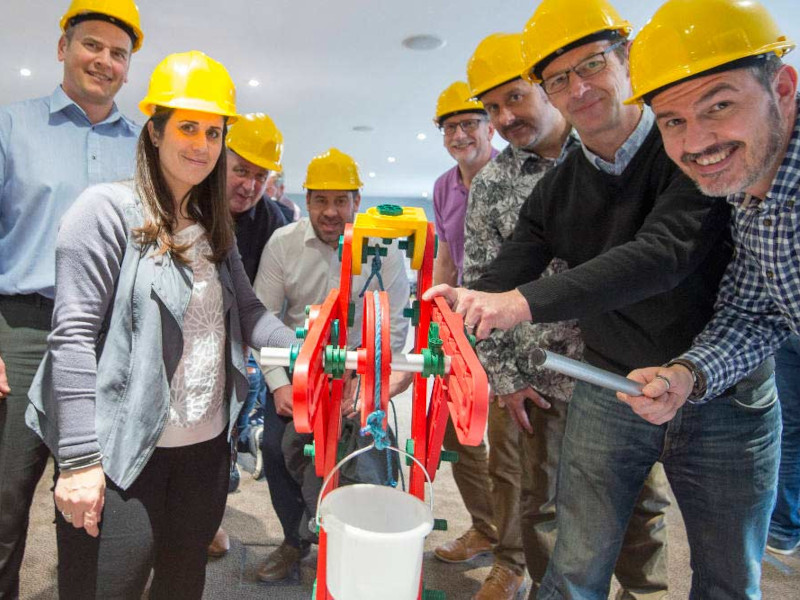
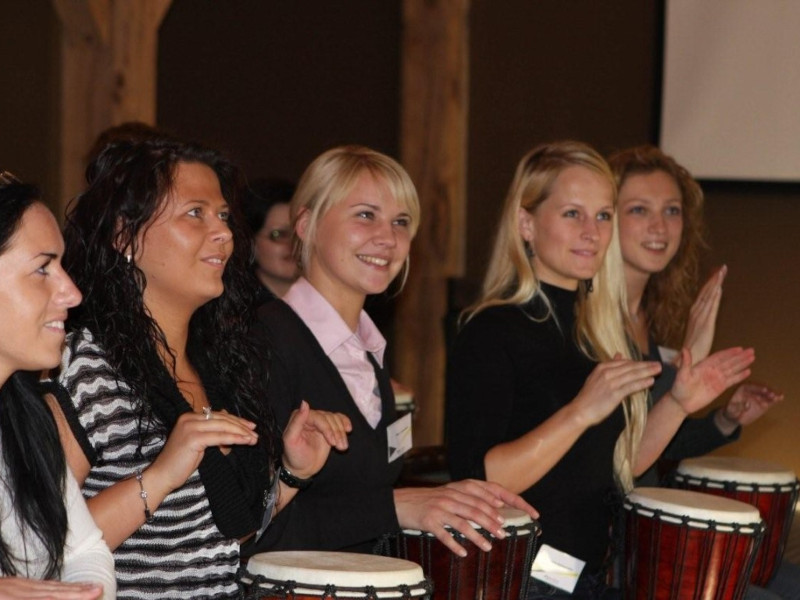
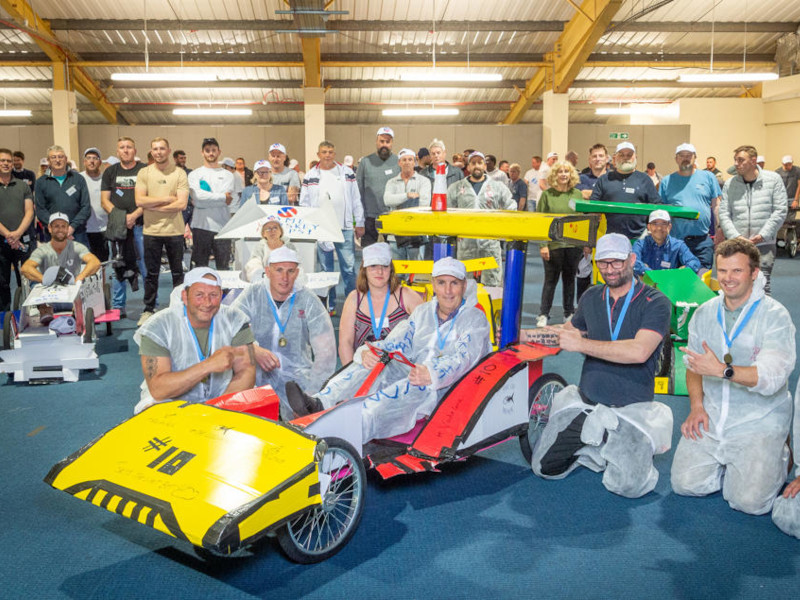
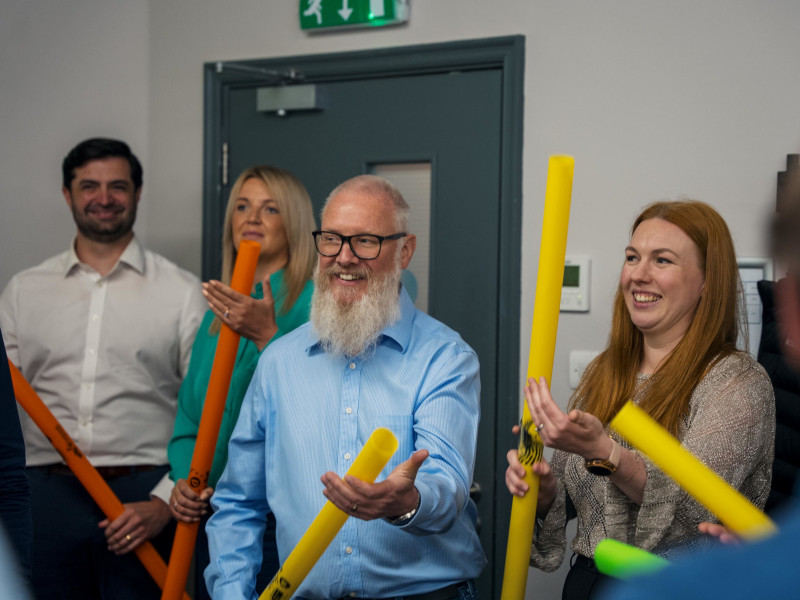
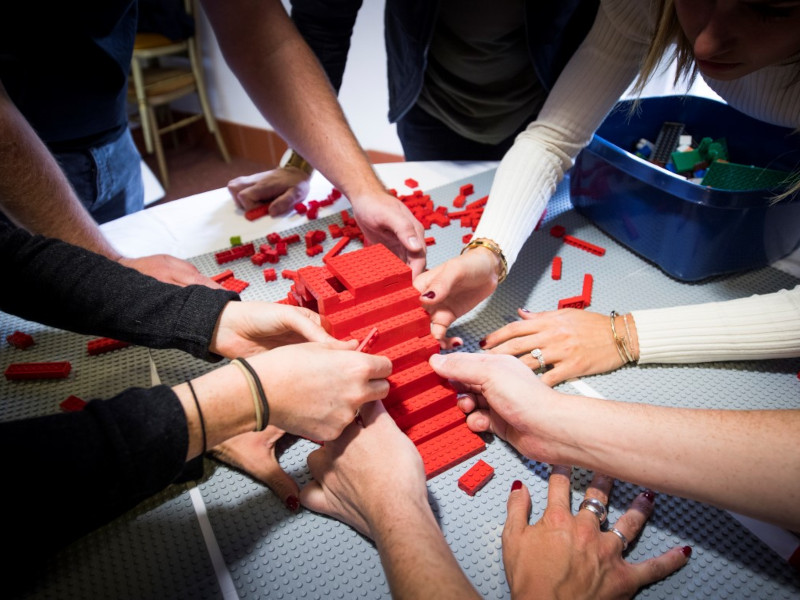
Our facilitated activities, which range from complex construction projects to time-pressured creative challenges, provide the perfect scenario for the nine core Belbin roles to emerge.
Action-Oriented Roles (The Doers)
These roles are most visible during the execution phase, especially under time constraints:
-
Shaper: This person is visible early on, challenging the initial rules and driving the team forward with a strong sense of urgency. In a challenge, they are the ones saying, "Let's stop talking and start building!"
-
Implementer: This individual quickly takes the ideas and creates a practical, manageable plan. They are the ones organizing the materials, assigning sequential tasks, and ensuring adherence to procedures.
-
Completer Finisher: These team members emerge when the pressure is on to finalize the task. They are the ones checking for errors, refining the final details, and worrying about the quality and deadline.
People-Oriented Roles (The Communicators)
These roles are key to maintaining morale, managing external communication, and handling internal relationships:
-
Co-ordinator: This role is revealed by who naturally takes charge of managing the group process. They clarify goals, listen to suggestions from everyone, and ensure delegation is fair and effective.
-
Teamworker: This person is often seen intervening to resolve minor friction, offering support and encouragement, and ensuring everyone feels heard. They are vital for maintaining group cohesion and a positive atmosphere.
-
Resource Investigator: When a team is stuck or needs external input, this role becomes active. They are the ones scanning the room for ideas, attempting to network with other teams, or creatively leveraging limited resources in the environment.
Thought-Oriented Roles (The Thinkers)
These roles influence the direction and quality of the final product or decision:
-
Plant: The Plant is often quiet during the initial chaos but provides the original, imaginative solution or breakthrough idea that unlocks a difficult challenge. They are the creative engine of the group.
-
Monitor Evaluator: They provide a sober, critical analysis of the plans in progress. They are the ones asking, "Have we checked the budget?" or "Is this idea practical?", ensuring the team avoids costly mistakes.
-
Specialist: This individual’s expertise is evident when the challenge requires specific technical knowledge or skills (e.g., knots, specific construction methods). They contribute depth and authority on a narrow, required topic.
Moving Beyond Theory: Observing Team Roles in Action
Understanding team dynamics is crucial, but reading a report is only the first step. The true insight comes from observing behaviour in a realistic, shared environment. Our team building activities are intentionally designed to create the low-risk pressure necessary to make the nine Belbin Team Roles visible.
Team building provides a real-time, objective stage where you can clearly see who naturally steps up to shape the task, who starts implementing the plan, and who acts as the Coordinator to manage the process. This experiential insight is invaluable for HR, L&D, and management teams looking to understand and harness their team's full potential.
Belbin Team Roles FAQs
- Is this a replacement for the official Belbin Assessment?
No. Our activities provide experiential, behavioural evidence that complements and brings the official Belbin report to life. It is the best way to validate and apply the theory in a real-world setting.
- Can we observe the roles in a virtual team building event?
Absolutely. In virtual challenges, the Co-ordinator and Resource Investigator roles often become even more visible as individuals fight for control over the virtual process and information flow.
- How does this observational approach help with communication issues?
By naming the behaviour (e.g., "You were focusing on the Completer Finisher detail"), teams gain a neutral, objective language for discussing conflict and contribution without resorting to personal attacks.
Unlock the Potential of Your People Through Observation.
High-performing teams understand their collective behavioural strengths. Our expertly facilitated team building events provide the perfect, low-risk environment to visually identify the critical Belbin roles within your team.
Contact us today to design an observational team building session and gain unparalleled insight into your team's natural dynamics.