





































 10-250
 3 hours
Cyber Heist Treasure Hunt
Cryptic clues, mind challenges and puzzles that will have your teams scratching their heads…
 Nationwide


Nationwide: 020 3822 0600


The mad scientists of the culinary world have combined their love of cooking with the curiosity of science!
It won’t just be pots and pans in this event, Molecular Cooking has you look at the chemical properties of foods and how these can be manipulated to create strange and unconventionally tasty dishes! Our expert chefs will demonstrate the effects certain chemical reactions have on food; spheres, foams and gels are all part of the gastronomy infusions you’ll create.
Your teams will be kitted out with culinary lab coats, aka - chef’s aprons, teams then take to their bespoke work stations to begin conjuring up their own chemically charged cuisine creations.
Our set up can be brought into almost any venue to turn the space into a Molecular Cooking kitchen. With over 25 years’ experience in the events industry we have worked with hundreds of venues throughout the UK – do call us to discuss venues near you. Alternatively we can turn your offices into a chemist’s culinary dream.
Once the demonstrations are over and your teams have been briefed on the array of new cooking tools laid out at their stations, it’s time to start your food experimentation!
The room transforms into a scene from Flubber as you learn cooking methods such as spherification, the process of shaping liquid into spheres, along with the introduction of hydrocolloid gelling agents to create strangely delicious flavoured combinations.
Learn one of the ‘coolest’ methods of freezing your food by using liquid nitrogen, crush berries into frosted flakes and create the creamiest of ice creams all with a single dunk.


1 of 2
Can your team keep cool under the pressure of this hot kitchen? Plan and prepare your dishes with care, using all your team’s expertise if you want to win this competitive cooking challenge! You’ll be marked by the judges on the presentation, taste and innovation.
Once the winning team are crowned as the chefing wizards of the day, you’ll get to enjoy everyone’s dishes as a fitting finale to a day of fun team work and culinary competition. We have a variety of food based events such as Chocolate Making, Ready Steady Bake and more!
Molecular Cooking is an indoor team building event for 5 to 150 people, where expert chefs teach teams to use food science, including spheres, foams, gels and dry ice, to create unusual dishes. It lasts about three hours. Here's how it runs.
Our expert chefs demonstrate how chemical reactions affect food, from spherification to hydrocolloid gelling agents.
Teams put on their culinary lab coats, otherwise known as chef's aprons, and head to their own workstations.
Teams are briefed on the new cooking tools at their stations and start creating spheres, foams, gels and dry-ice frozen treats.
Teams use everyone's expertise to plan and prepare their competition dishes with care.
Dishes are marked on presentation, taste and innovation, and the winning team receives medals.
Molecular Cooking includes expert chefs and all the specialist equipment.
Molecular Cooking sparks creativity and builds team unity, while everyone learns surprising new cooking techniques.

Teams invent strange and unconventionally tasty dishes of their own.

Planning and using every team member's expertise is the key to winning.

Everyone learns professional techniques such as spherification and dry-ice freezing.

Expert chefs guide every step, so no cooking experience is needed.

Molecular Cooking explores the science behind food. Guided by expert chefs, teams use unusual techniques to transform familiar ingredients into spheres, foams, gels and other inventive creations before presenting their dishes for judging.
It contains elements of both. The chefs demonstrate the specialist tools and methods first, after which teams move to their own workstations and use what they have learned in a competitive culinary challenge.
Spherification is a molecular gastronomy technique that turns liquid into small spheres with a delicate outer layer. During the event, participants learn how changes to an ingredient's structure can create a completely different texture and presentation.
Liquid nitrogen may be used to demonstrate extremely rapid freezing techniques, such as turning berries into frozen flakes or producing exceptionally smooth ice cream. Specialist methods are introduced and managed as part of the chef-led activity.
No. The event is designed to introduce the techniques from the beginning. Curiosity, careful listening and teamwork are more important than arriving with laboratory knowledge or professional kitchen experience.
Teams receive bespoke workstations, aprons, ingredients and the specialist tools required for the selected techniques. The chefs explain how each item is used before participants begin experimenting with their dishes.
The judges assess presentation, taste and innovation. A dish needs to be more than scientifically interesting: teams must use the techniques creatively while still producing something enjoyable to eat.
The mobile setup can turn many offices, hotels and event venues into a temporary molecular kitchen. The proposed space should be discussed in advance so its practical suitability can be confirmed.
The experience lasts approximately three hours, allowing time for demonstrations, experimentation, preparing the finished dishes and judging the competitive results.
Molecular Cooking is suitable for approximately 5 to 150 participants. Larger groups work across several stations, combining the atmosphere of a culinary laboratory with the energy of a corporate team competition.

%
5 star reviews+
Events annuallyYears, Est. 1988
%
Fun Guaranteed


Wouldn't hesitate to recommend
The event was thoroughly enjoyed by everyone. The venue was excellent and the food likewise. Many thanks to all involved at TBCo"

Enjoyed immensely by all
Thank you so much for the organisation of the event and the event itself! Huge success!"

Everyone LOVED the team build!
A few were hesitant at the start, but pretty much straight away everyone was fully into it. Would 10/10 use again!"

Outstanding
Our team had a great evening last night and have very high praise for your team who they said were outstanding"

Extremelly well organised
Our team absolutely LOVED the event last week and we have not stopped talking about it! 100% recommend"

My word it was a beautiful eve!
The event was just perfect and we have only received compliments. Loads of laughter. It's been a pleasure working with you!"

10/10 from all of us at Dyson!
It was thoroughly enjoyable and extremely engaging. I will defintely look to encourage the rest of the business to use TBCo"

Wonderful memories for the team!
The best corporate experience in London. Everyone absolutely loved the experience!"

The event was brilliant
Everyone really enjoyed it and I've had some super positive feedback. Great to do something a little different"

It was great!
Loads of positive feedback from the team… very enjoyable. As a result, we are planning to work with you again! Thank you"

A truly fantastic day
I don’t think it could've been better! We will definetely bare you in mind for future team events"

Everybody had a fantastic afternoon
The feedback we've had is all positive. It will be difficult to match yesterday's event and impossible to better it"

An absolute success
Haven't laughed that much for a long time! Particular thanks to Dan - he managed the delegates and activity brilliantly"

Would definitely recommend
The feedback from the team was really positive. I am sure I will be in touch in the not so distant future!"

We all really enjoyed the event!
Thanks for your help and support... The venue, food, the event team and actors were great"

The best team building activities we've done at Coke
It's going to be a tough gig for whoever at Coke leads on it next year to top"

The whole day was absolutely brilliant!
Great venue and both evening and day activities were terrific! Definetely on our books for next time"

Absolutely fantastic!
I have had such good feedback from everyone. We will most definetely be working with you again"
 10-250
3 hours
Cryptic clues, mind challenges and puzzles that will have your teams scratching their heads…
Nationwide
 5 - 150
3 hours
Mirroring the media success of such programmes as Ready, Steady, Cook and Hell's Kitchen.
Nationwide
 5 - 150
2 - 3 hours
Your Cocktail Making experience will contain a mixture of delicious cocktails and flair.
Nationwide
 10 - 150
2 - 3 hours
A Judge presents the background to an interesting case and four suspects are called to give their account of events.
Nationwide
 5 - 200
2 -3 hours
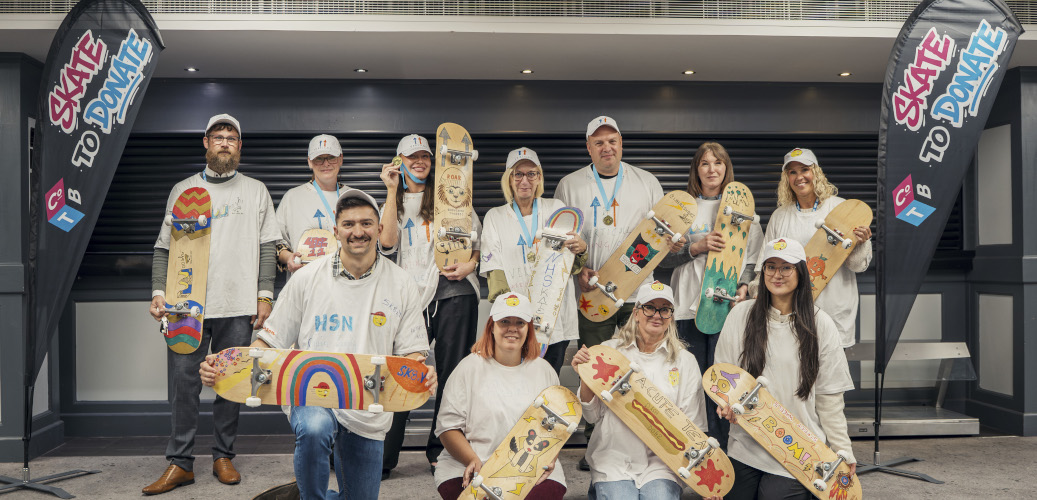
Get creative as you design and build skateboards to donate to local children and youth groups!
Nationwide
 5 - 150
3 hours
Harness the power of science and your creative mind in this culinary mash up!
Nationwide
 20 - 250
2 hours
A nail biting challenge which demands quick thinking, nerves of steel, and the odd risky gamble.
Nationwide
 10 - 150
2 - 3 hours
Based upon the hit TV show 'The Traitors' our team of professional actors will come to a venue of your choice. But can you find the traitors?
Nationwide
 5 - 250
1 -2 hours
An artistic challenge which draws upon fun competition to create works of art.
Nationwide